All About Rivers

This page has been created to inform you about a river's journey from the source to the mouth. I hope that after having read this you will be able to understand the ongoing rivers journey to the ocean.

What is a river?

A river is a path of water flowing down into the ocean. Rivers come in many shapes and sizes and carve through our landscape in fascinating and naturally beautiful ways. Rivers give us our clean water that we drink from our taps and a lovely variety of animals. They play a vital part in our day to day lives.
The Source

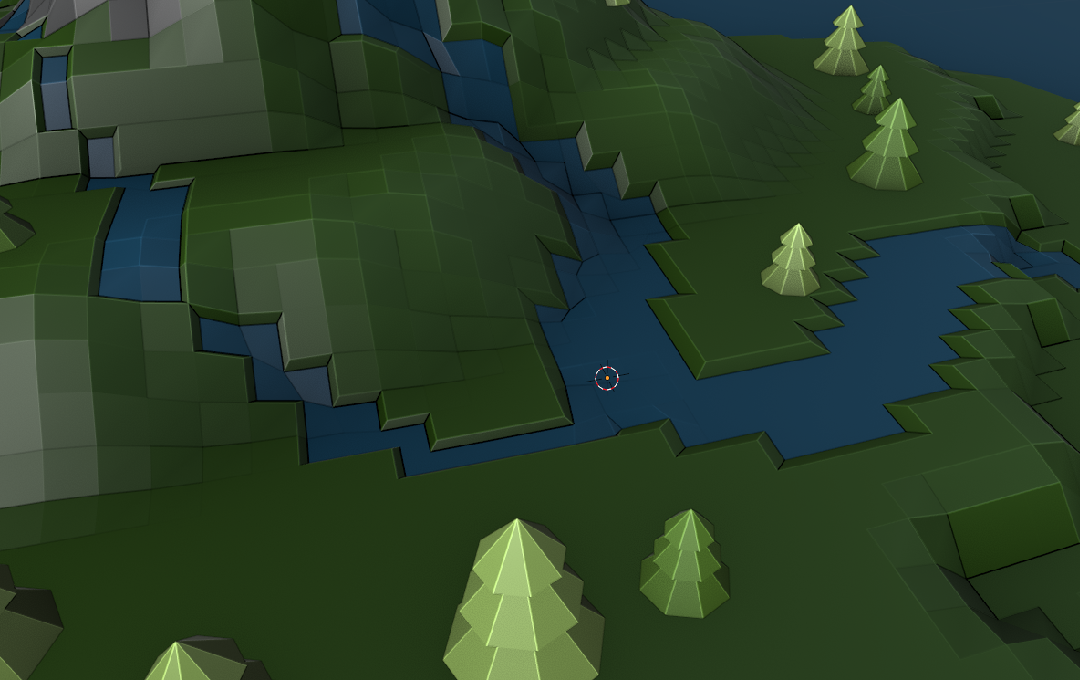
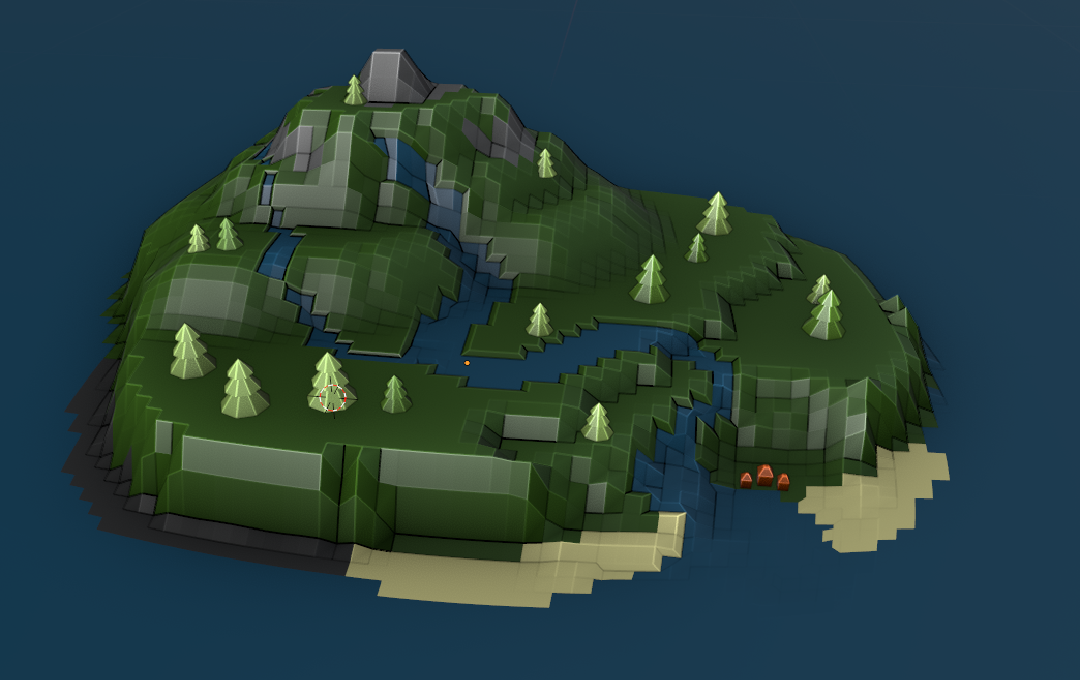
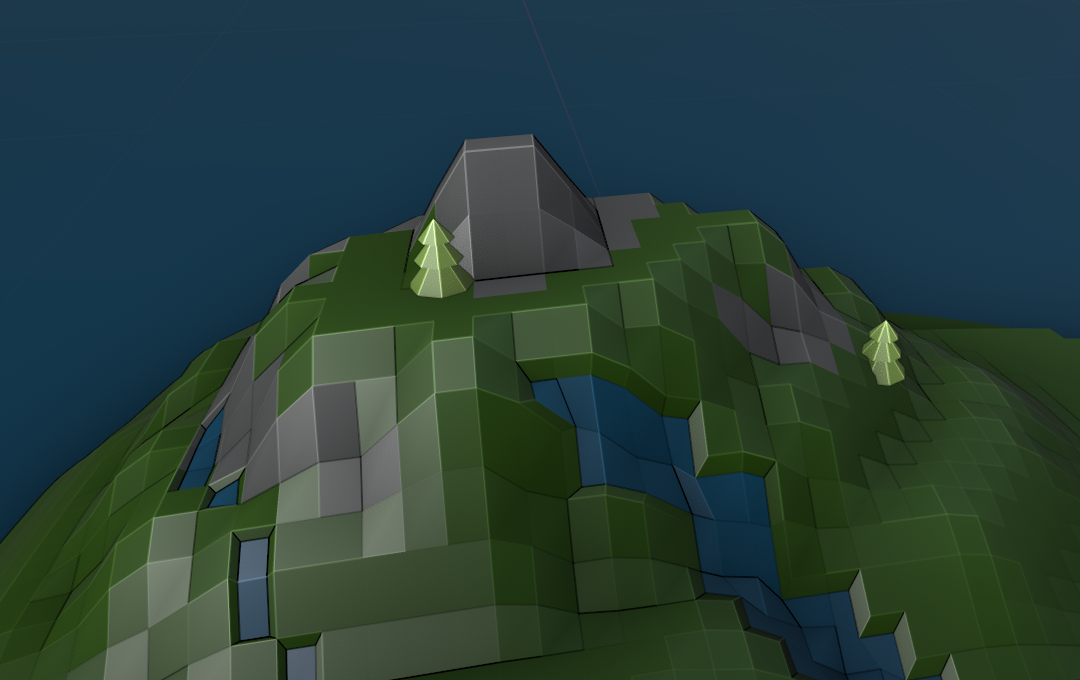
The source of a river, also known as the headwaters, is where the river is formed. A River can begin in a variety of ways. Rivers can begin by streams (in mountains or hills) rainwater, or in the base of glaciers. They can be formed when ice and snow start to melt to form water, in upland areas or by springs.

In England, our rivers are most commonly formed in springs. A spring will form when water from an aquifer, which is a body of permeable rock which contains groundwater, or a natural underground reservoir overflows.

Did you know

The Nile river is the worlds longest river stretching across 11 different countries (6,695km long) that would be as long as 65,000 football pitches.

The Journey

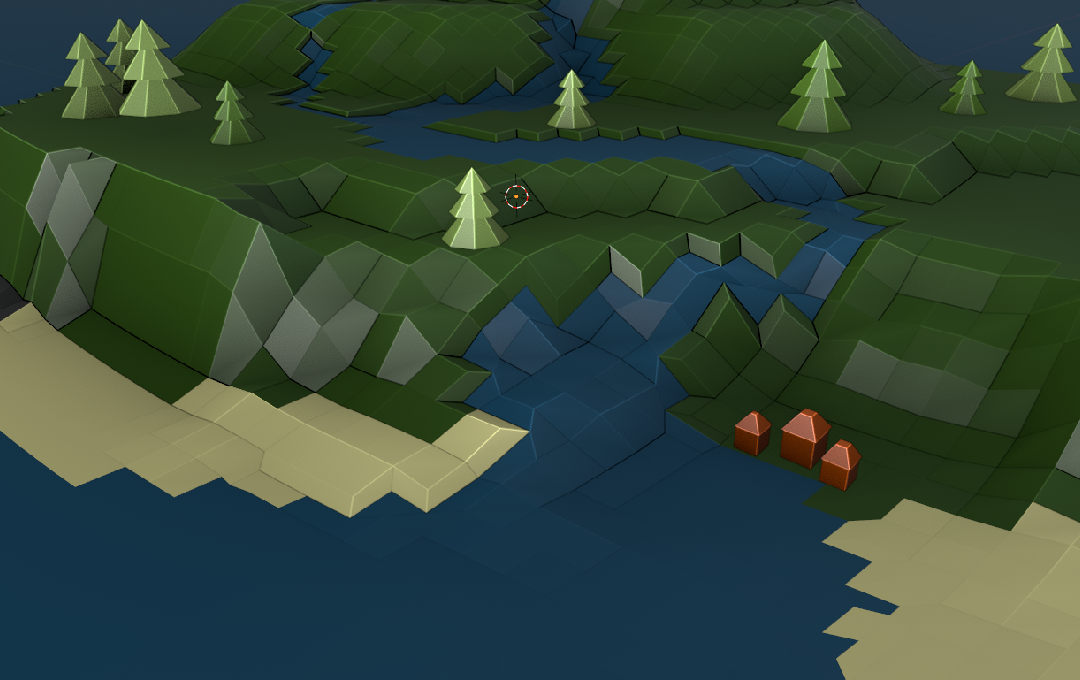
After flowing out of the source, the river will begin travelling to lower, flatter ground. Whilst travelling nearer to the mouth the river will become bigger in size and meet many tributaries which are smaller rivers that join onto the main river. These tributaries will give the river more water to last it the journey to the mouth and create a wider overall river, meaning that some rivers may even need ferries or large bridges to cross from one side to the other. When tributaries meet with the main river or other tributaries this is called a confluence.

As the river continues its journey it creates a meander which is when the river curves back and forth across the landscape. These types of rivers are called meandering rivers. Over time they begin to erode more of the landscape creating sediment around the bank which will be carried to the mouth of the river and into the sea.

Did you know

The shortest river in the world is the Roe River located in Montana, USA which is only 61 meters long.

Towns and cities on river mouths

Lots of towns and cities are built on the river's mouth because they provide an ongoing water source, they support natural processes such as flood prevention and they also provide habitats for plants and animals.

Most of the oldest cities in the world have developed around rivers for instance Bristol. Rivers played a vital part in England’s riches in provding trade routes and transport because if there were no rivers or towns built near or on them then we wouldn't be as rich a country as we are today.

Try it yourself

If you go for a walk along the river bank you may be able to spot many animals such as kingfishers, dragonflies, otters, newts, frogs all of whom have their homes around the river.

The Mouth

The mouth of a river is where the rivers journey ends, where it enters a lake, larger river, or most often, the sea. River mouths are rich in many minerals, materials and substances.

During it's journey from source to mouth, a river picks up sediment from the riverbed which contains many minerals and substances. This sediment, which is rich in nutrients, is then deposited at the river mouth where it can be dug up to enrich the soil and be used for crop growing.

A local did you know

"Bournemouth" gets it's name from being on the mouth of the river Bourne.